
Quality Wood Window Replacement | Rockland Window Replacement
Wood window replacement on an old Midcoast house starts with a decision made window by window: keep and repair the old sash, or replace it with a wood-clad unit built to the same pane pattern. If vinyl on a captain's house makes you cringe, we feel the same way, and we test every sash and sill before we price a single window.
- (207) 466-8544
- 164 New County Rd, 1st Floor, Rockland
- [email protected]
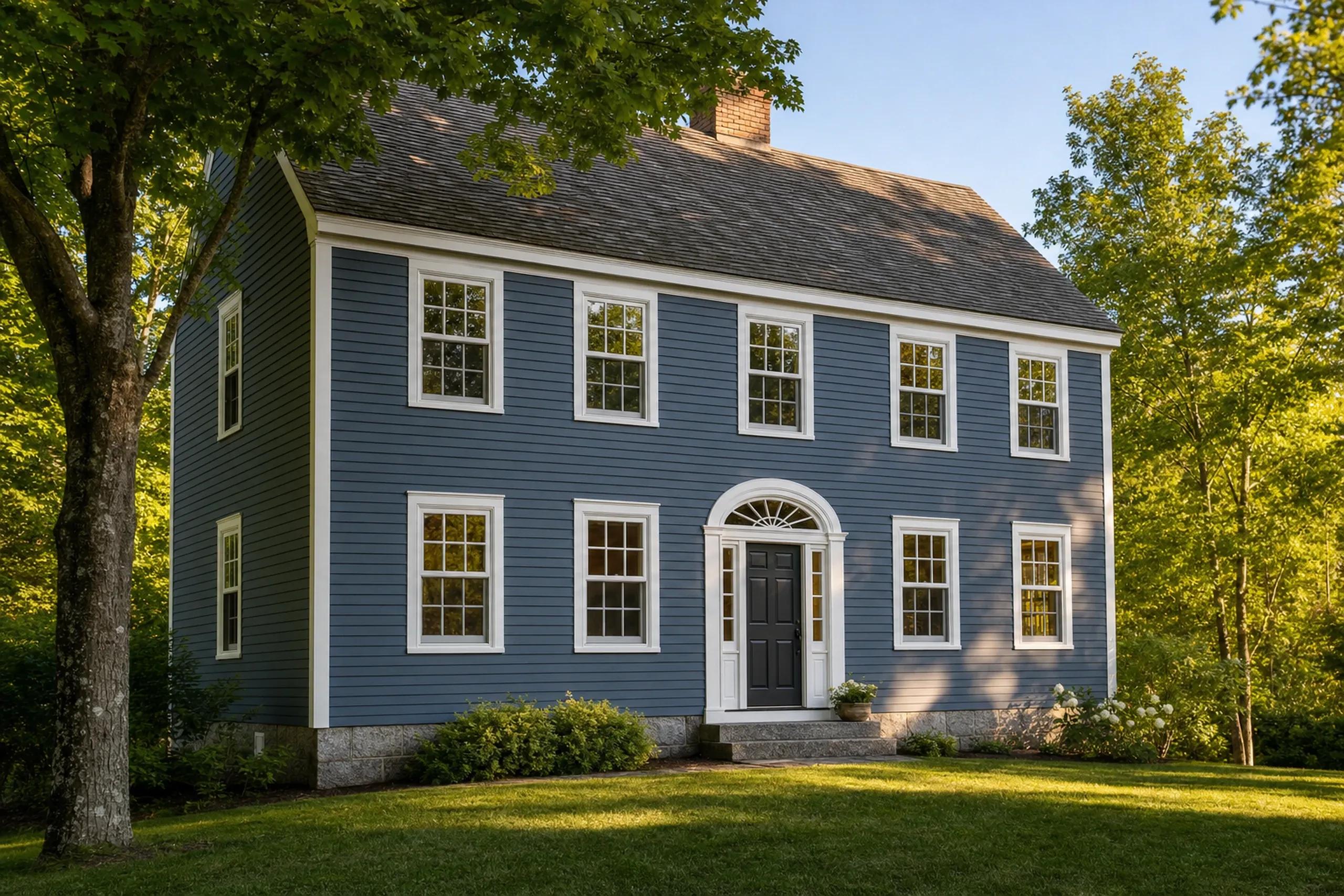
- Windows and doors are all we do
- Free estimate requests
- 22 Midcoast towns, Rockland to Belmont
- Every old sash tested before a price
- Wood-clad made to the old pane layout
- Salt-air finish terms read before ordering
This page is about replacing old wood windows on Midcoast Maine houses: deciding which sash can be kept and repaired, and fitting wood-clad units, wood inside and a clad skin outside, where a window has to go.
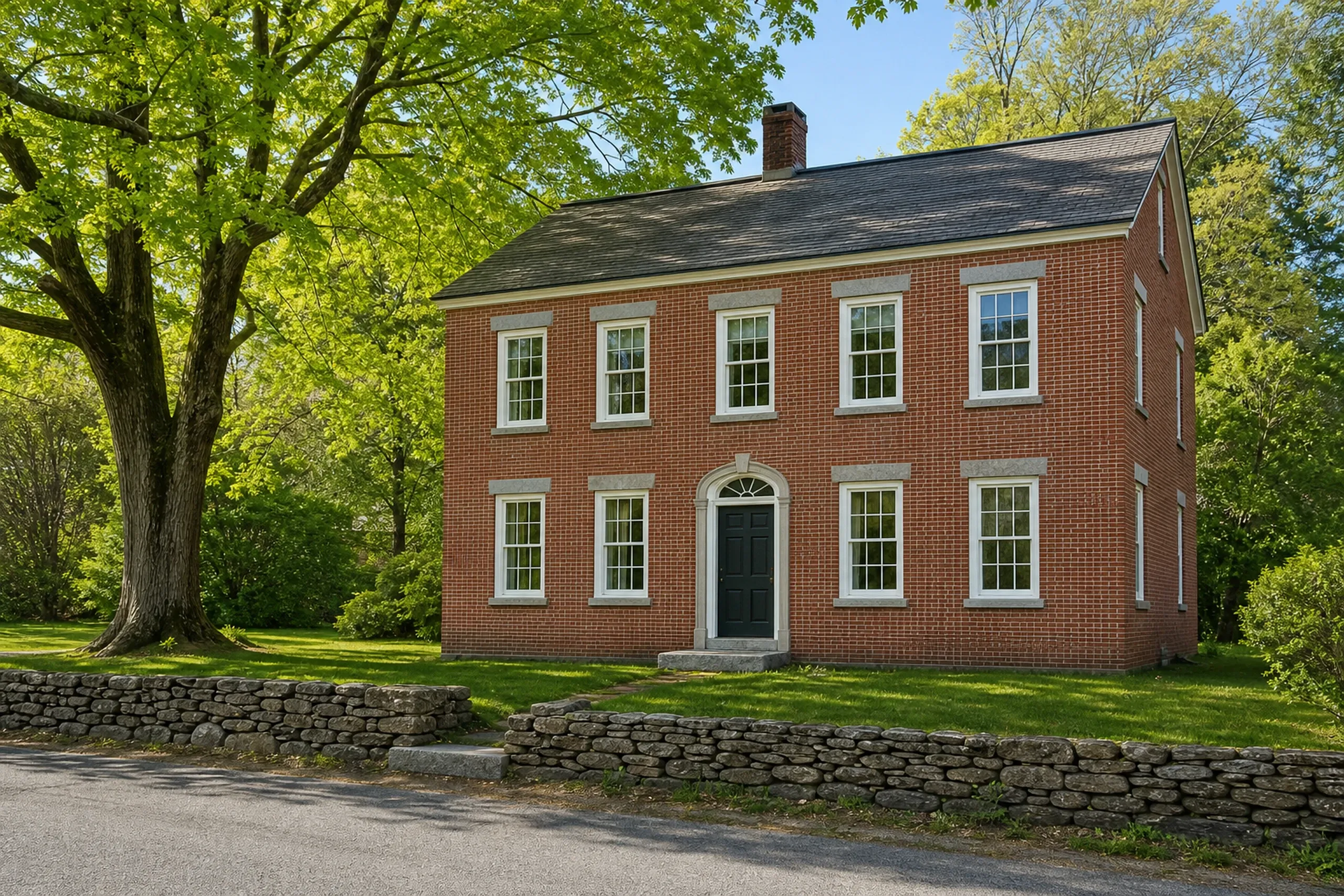
It is meant for owners of Federal, Greek Revival and Italianate houses who do not want vinyl on the street face. Rockland Window Replacement tests each sash and sill first, copies the old pane layout, and reads each maker's coastal terms before an order goes in.
The figure to keep: a job of one to five windows comes to $5,000 to $15,000 on average across many quotes, while replacing a house's full set, 15 to 25 windows, averages $28,000 to $65,000, with wood-clad the costliest frame material.
Why Does an Old Wood Window Deserve a Second Look?
An old wood window deserves a second look because flaking paint makes a sash seem far worse off than it is: the National Park Service's Preservation Brief 9 warns against reading failed paint as proof that the wood beneath is beyond repair. The brief tests soundness with an awl or an ice pick, and we do the same at each bottom rail and at the sill, the frame's bottom piece, where rain collects.
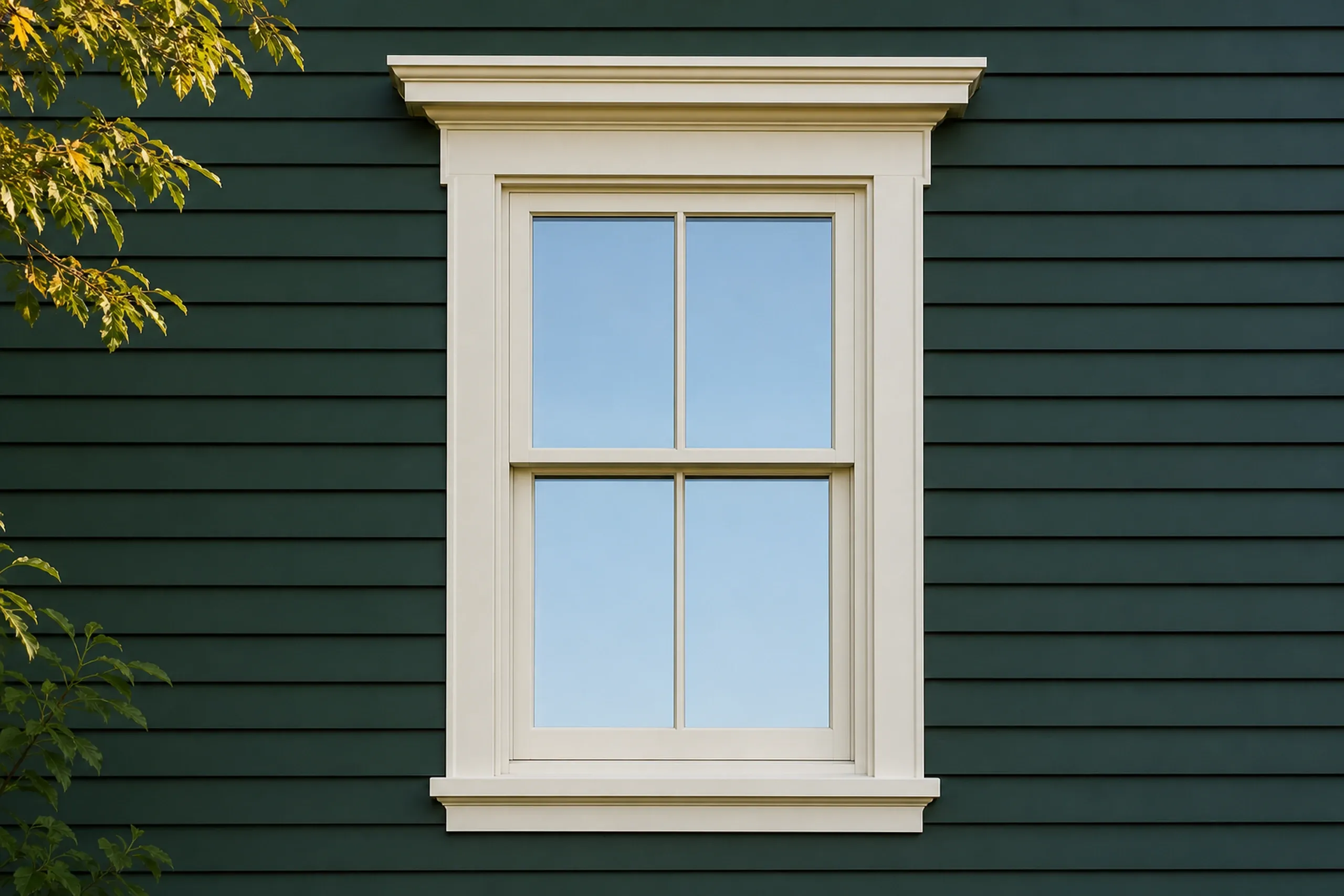
- An awl pressed into every bottom rail and sill before pricing
- Wood-clad units ordered to the old pane layout and muntin width
- Each maker's salt-air finish terms read before an order goes in
What else do owners of old wood windows ask us about?
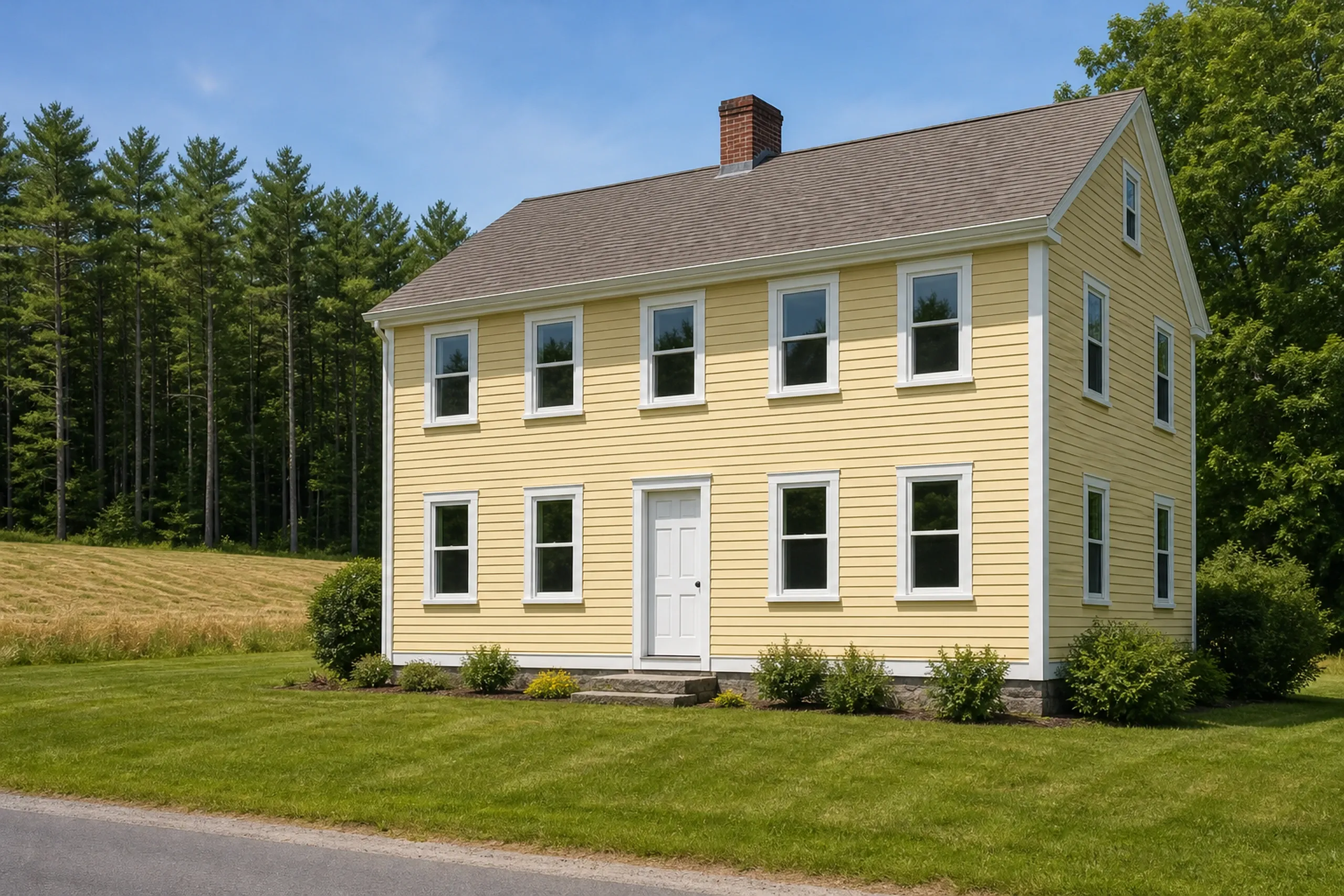 Vinyl Window ReplacementThree materials, three price points, chosen for the house and its exposure to the bay.See Vinyl Window Replacement
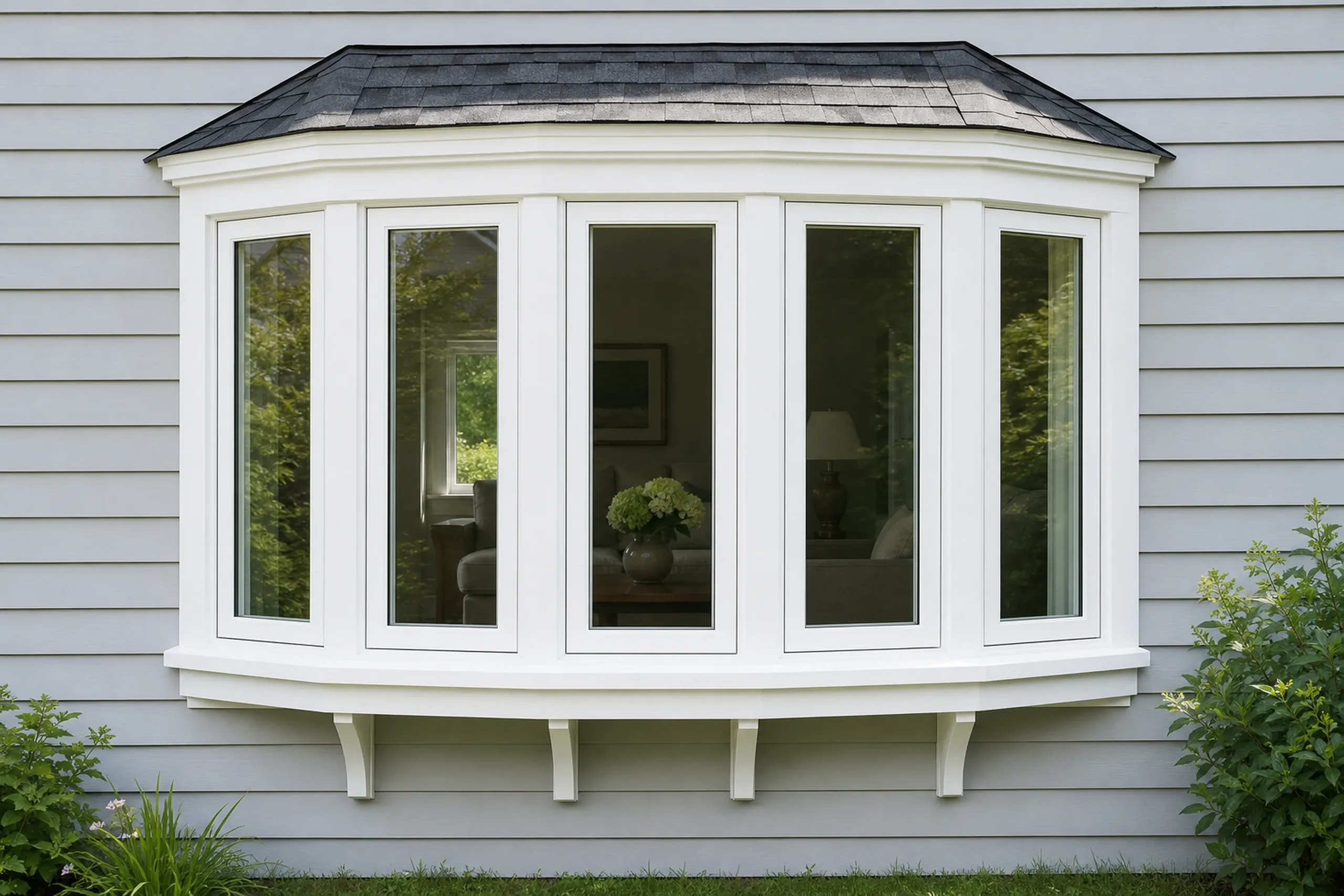 Bay and Bow WindowsProjecting bays, casements, picture windows and egress openings.See Bay and Bow Windows
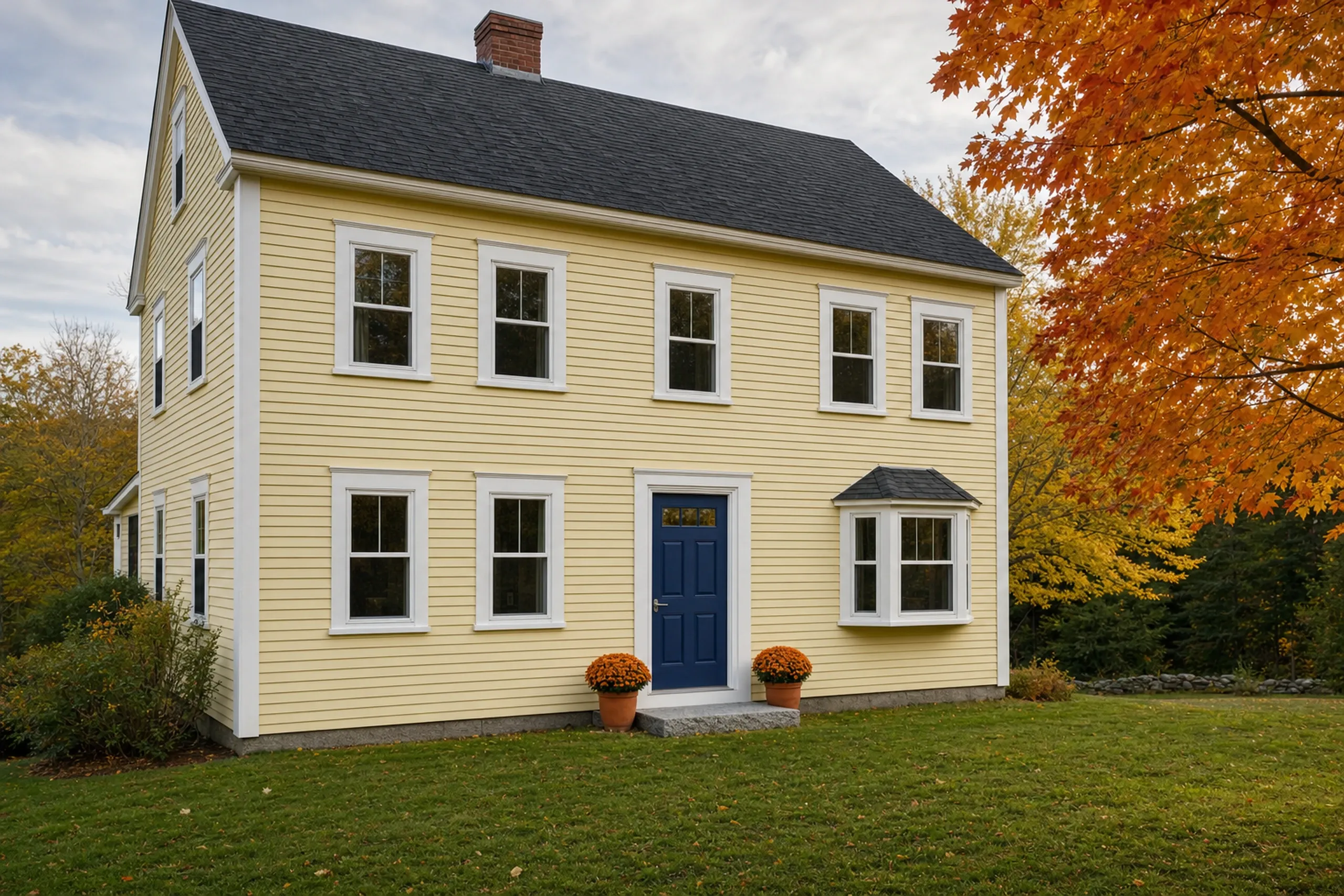 Entry Door ReplacementSteel or fiberglass, with the frame, sill and threshold that hold it square.See Entry Door Replacement
Which Midcoast towns do we replace wood windows in?
- Owls HeadKnox County3 mi
- South ThomastonKnox County4 mi
- ThomastonKnox County4 mi
- RockportKnox County6 mi
- WarrenKnox County7 mi
- CamdenKnox County8 mi
- CushingKnox County9 mi
- St. GeorgeKnox County11 mi
- UnionKnox County11 mi
- HopeKnox County11 mi
- WaldoboroLincoln County13 mi
- LincolnvilleWaldo County13 mi
- FriendshipKnox County14 mi
- AppletonKnox County15 mi
- BremenLincoln County16 mi
- WashingtonKnox County17 mi
- NorthportWaldo County18 mi
- SearsmontWaldo County18 mi
- JeffersonLincoln County18 mi
- NobleboroLincoln County19 mi
- BelmontWaldo County20 mi
What Goes Into Replacing an Old Wood Window Well?
Replacing an old wood window well comes down to three calls: whether the sash stays, what the new unit has to copy, and what its outer skin will face near salt water.
Keep, Repair or Replace the Old Wood Sash?
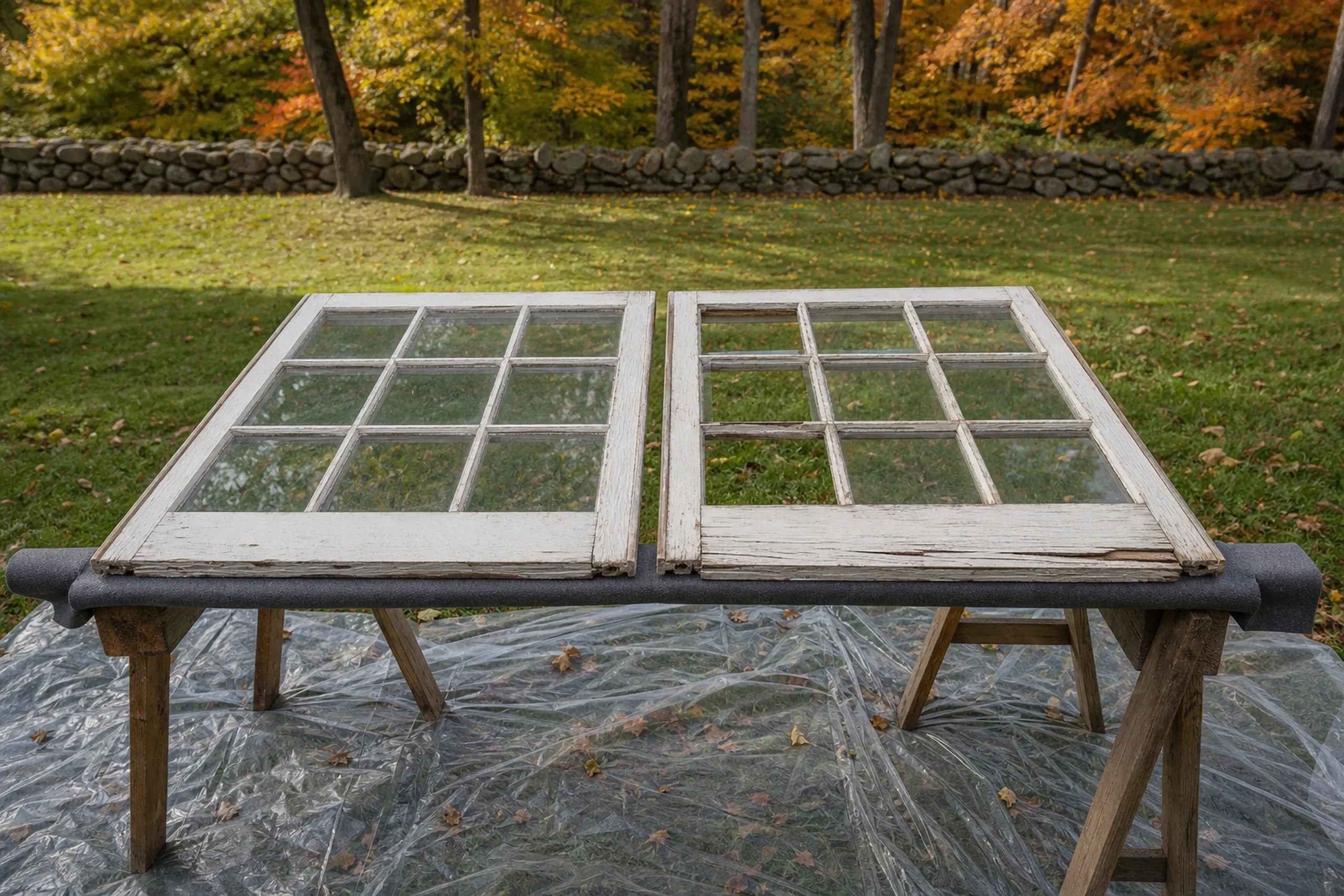
Brief 9 says repair still pays when few parts per window need replacing or only a few windows need work, and it counts new weatherstripping as part of a real repair. It calls exterior storm windows thermally efficient and reversible, a way to keep the original sash.
We keep a sash when the wood under the paint is firm, the damage sits in one part such as a bottom rail, and the window carries the face of the house. When that is the case, we tell you so and leave the window off our price.
We replace when the bottom rail and the sill are soft through, when water has been getting into the wall, or when most windows in the house need new parts. The Department of Energy's profile of Building Science Corporation's window guides offers storms only to windows with no rot, no broken parts and no water coming in.
Wood-Clad Windows Built to the Old Pane Pattern
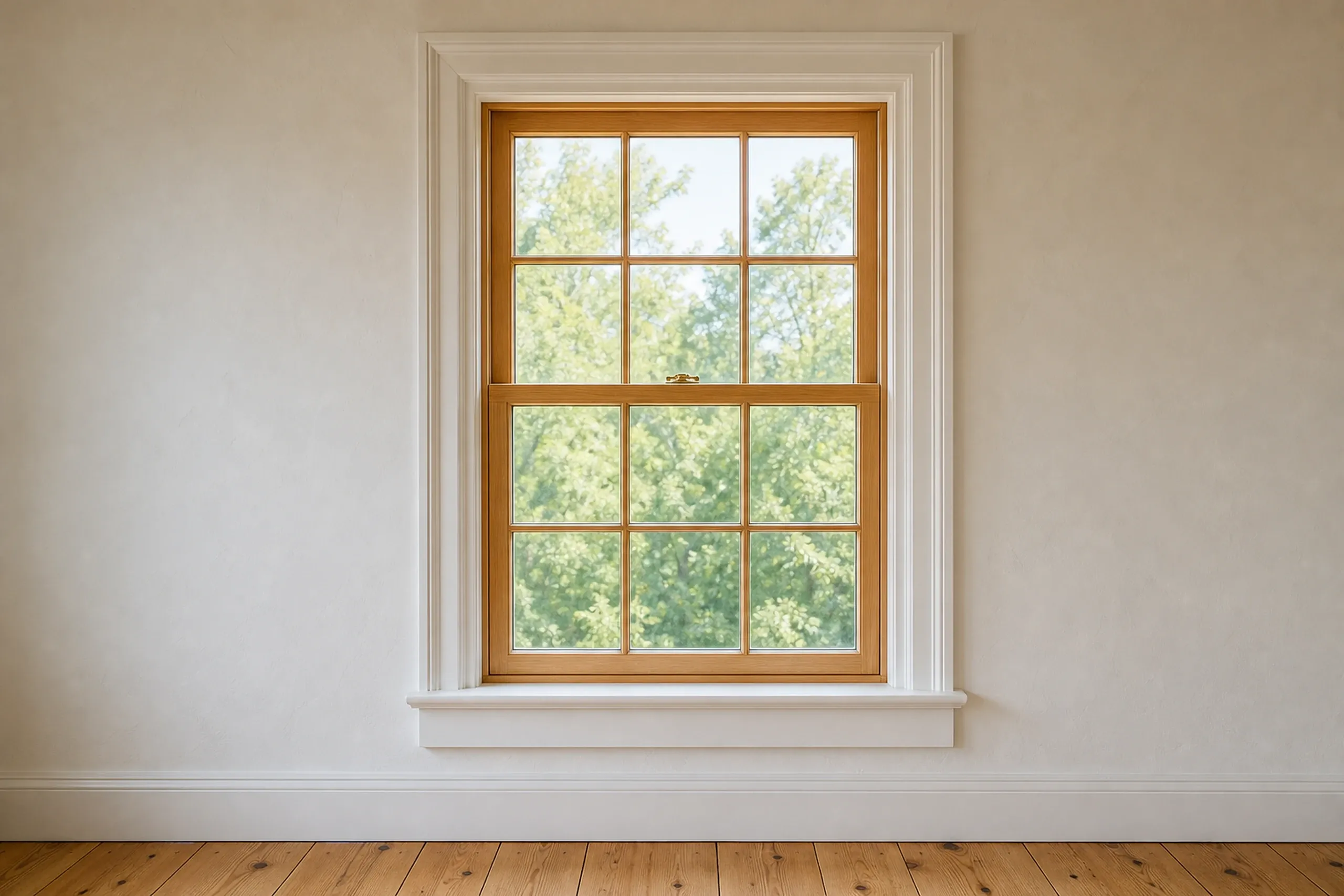
Wood-clad means wood facing the room and a harder skin facing the weather: Andersen's 400 Series wears Perma-Shield, a vinyl formed around the wood, and Pella calls its Lifestyle Series aluminum-clad wood. On Marvin's Ultimate line, most buyers choose an extruded aluminum skin.
Matching starts where Brief 9 says it should, with the windows coming out: the opening, the proportions, the pane layout and the profile of the muntins (the thin bars between the panes). On a six-over-six that calls for simulated divided lites, bars fixed to both faces of the glass so each sash still reads as six small panes.
Rockland's Historic Preservation Commission reviews a window change only in the Main Street Local Historic District, and only when the design, the look or the opening size changes, while Camden and Thomaston run no window review on private houses. The National Park Service adds that a National Register listing does not, on its own, restrict a private owner's choices.
Salt Air, Clad Finishes and Hardware Near the Bay
Marvin's warranty covers an aluminum clad finish for ten years instead of twenty when the window sits within one mile of salt water, and it does not warrant anodized or other specialty finishes in coastal settings at all. Near the coast its hardware coverage reaches stainless and PVD finishes and no others.
A Journal of Light Construction buyer's guide from 1998 said that wherever corrosion is a concern, window hardware should be brass, bronze or stainless steel. On a house in sight of Penobscot Bay we steer toward a standard clad finish over an anodized one, with stainless hardware on every sash.
The wood side needs care as well: Marvin's warranty leaves out damage from exposed wood left untreated or unsealed, and Andersen warns that unfinished wood will deteriorate and may bow and split. Plan to finish the interior sash soon after it goes in.
What Wood Window Services Do We Offer?
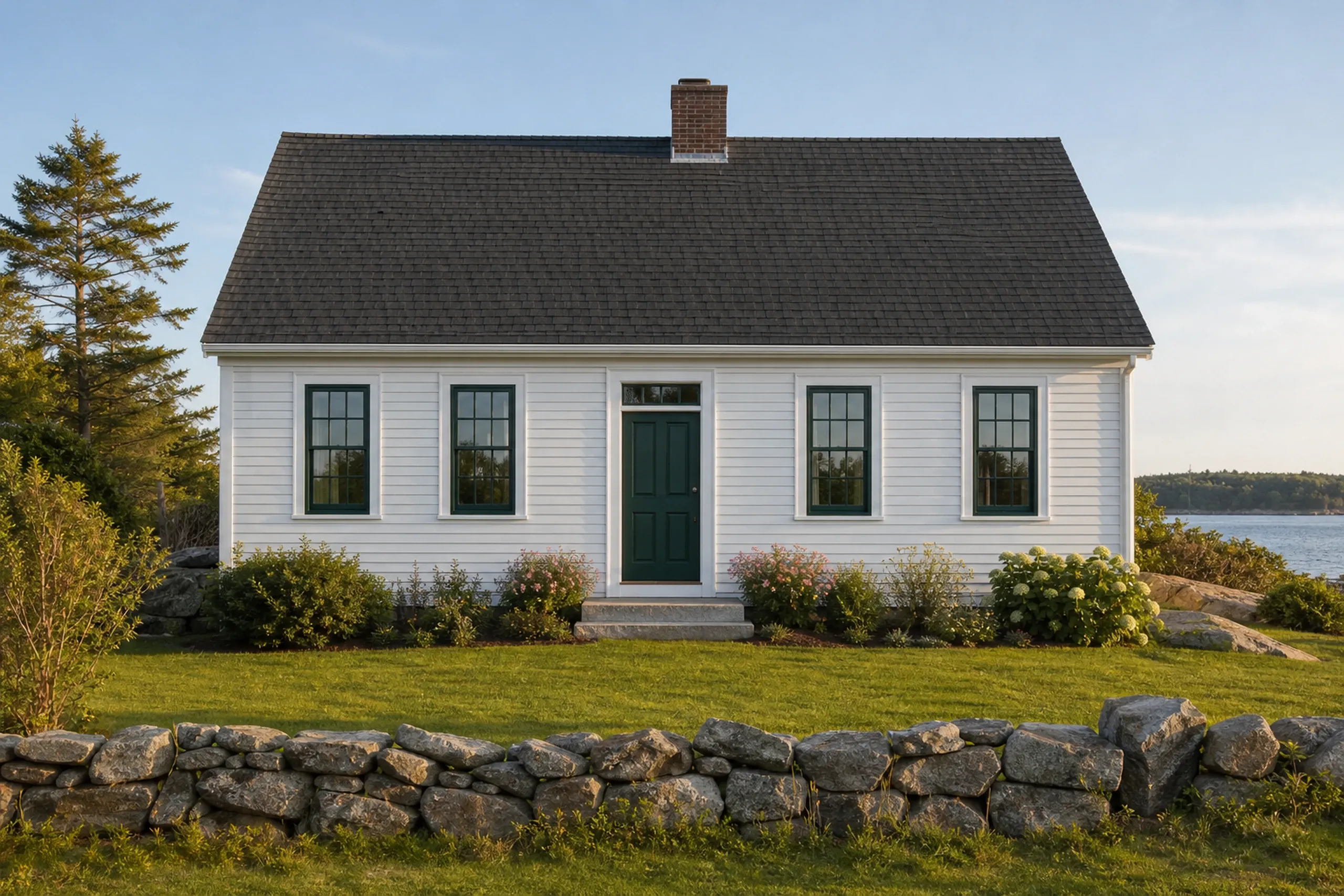
Our wood window work follows what each old opening shows us.
Old wood windows in a house built before 1978 fall under EPA's lead rule every time, since EPA names window replacement as covered work at any size, and EPA runs the rule itself in Maine. Ask any installer whether their firm is certified by EPA for lead-safe work, and expect the Renovate Right pamphlet in your hands before a sash comes out.
- A condition check of every sash, sill and frame
- Wood-clad inserts, or full-frame units on a sill pan
- Muntin pattern, profiles and trim matched to the house
How Do We Replace a Wood Window and Keep Its Look?
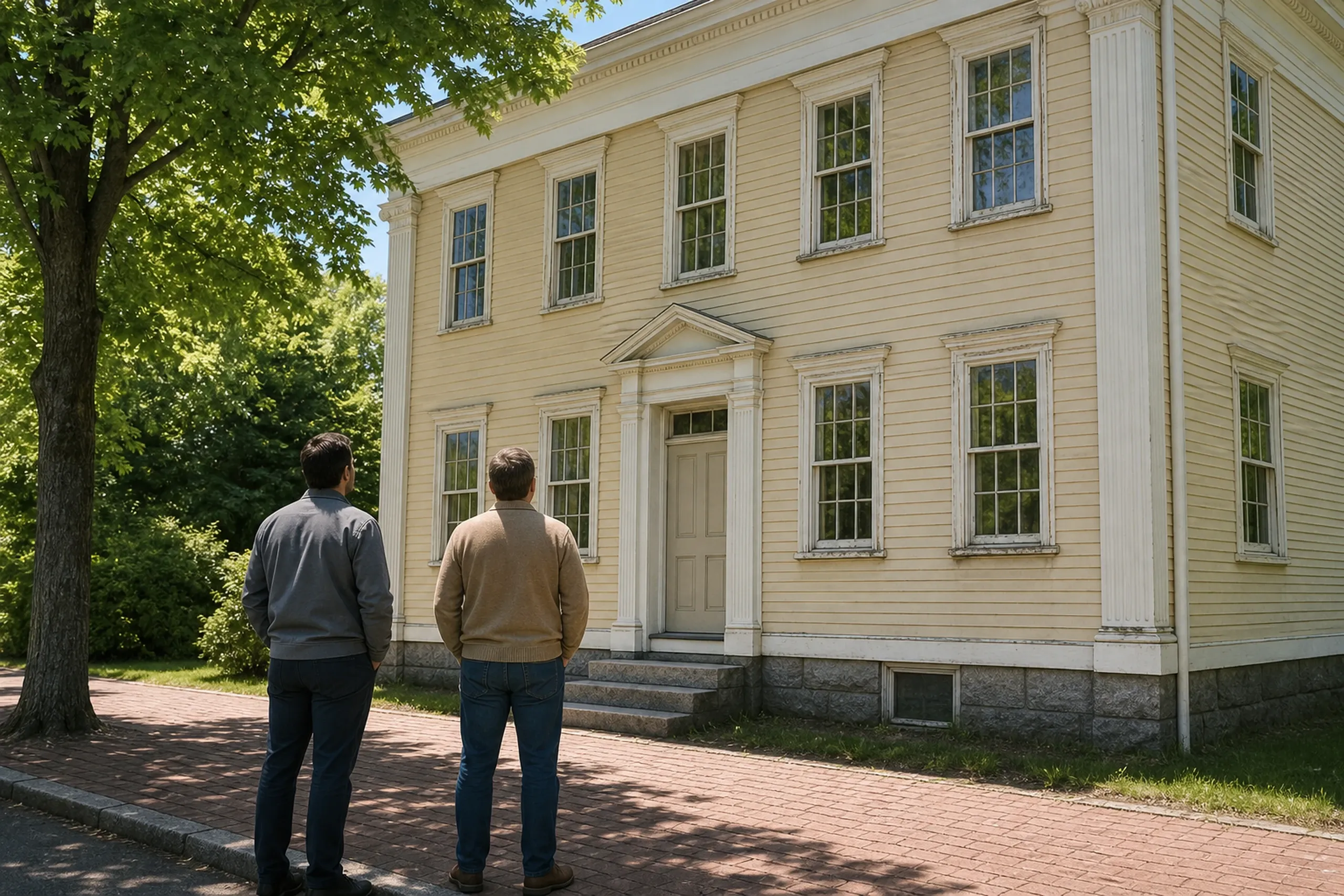
Each sash tested, each pattern written down.
We press an awl into every bottom rail and sill, check each frame for square, and record the pane layout and muntin width of every window you want copied.
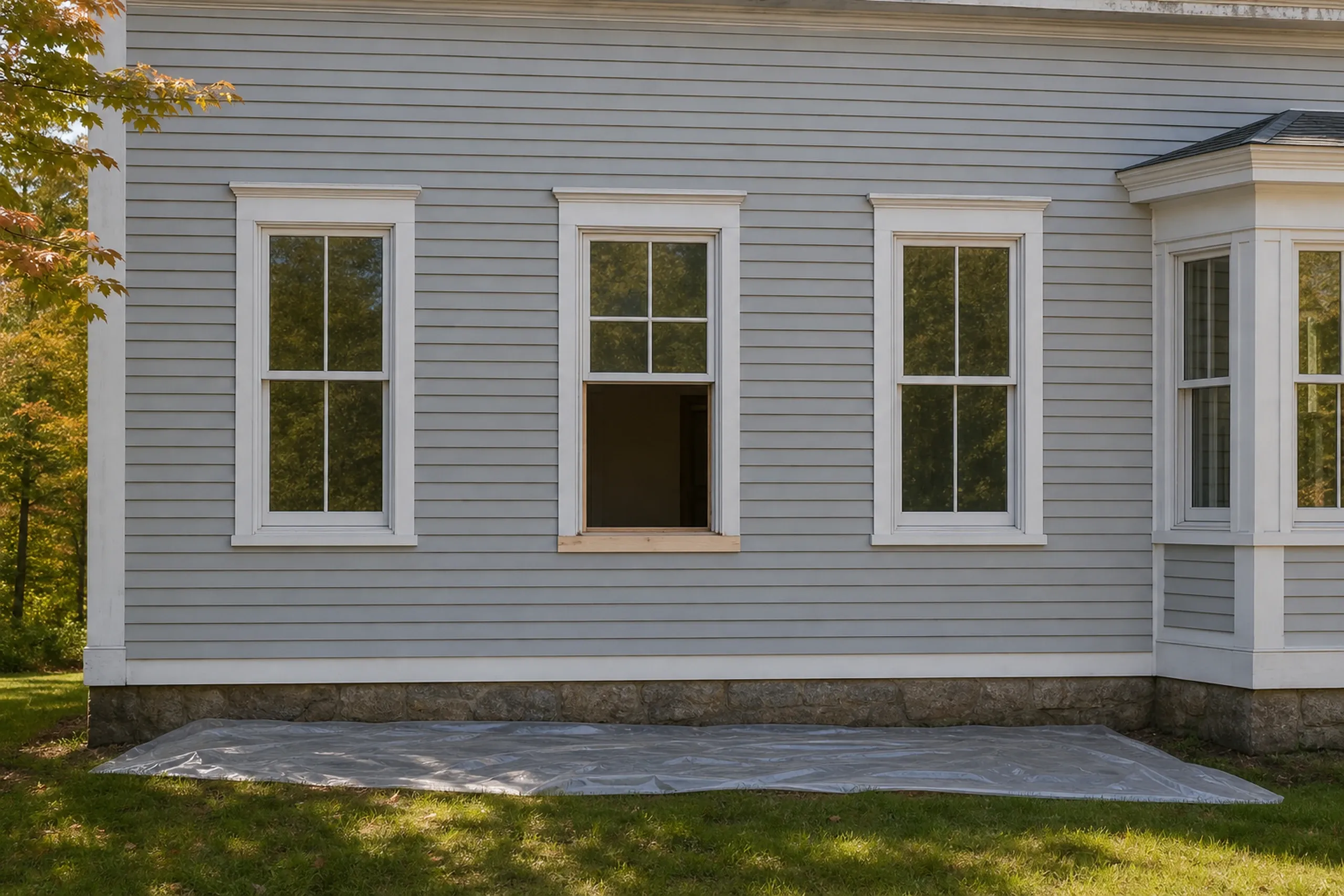
A price for each opening, then a contract.
The written price labels every window keep, insert or full-frame. When the total tops $3,000, Maine's statute on home construction contracts calls for a written contract with both our signatures and limits the opening payment to one third of the total, and rot that turns up later gets its own written price before work goes on.
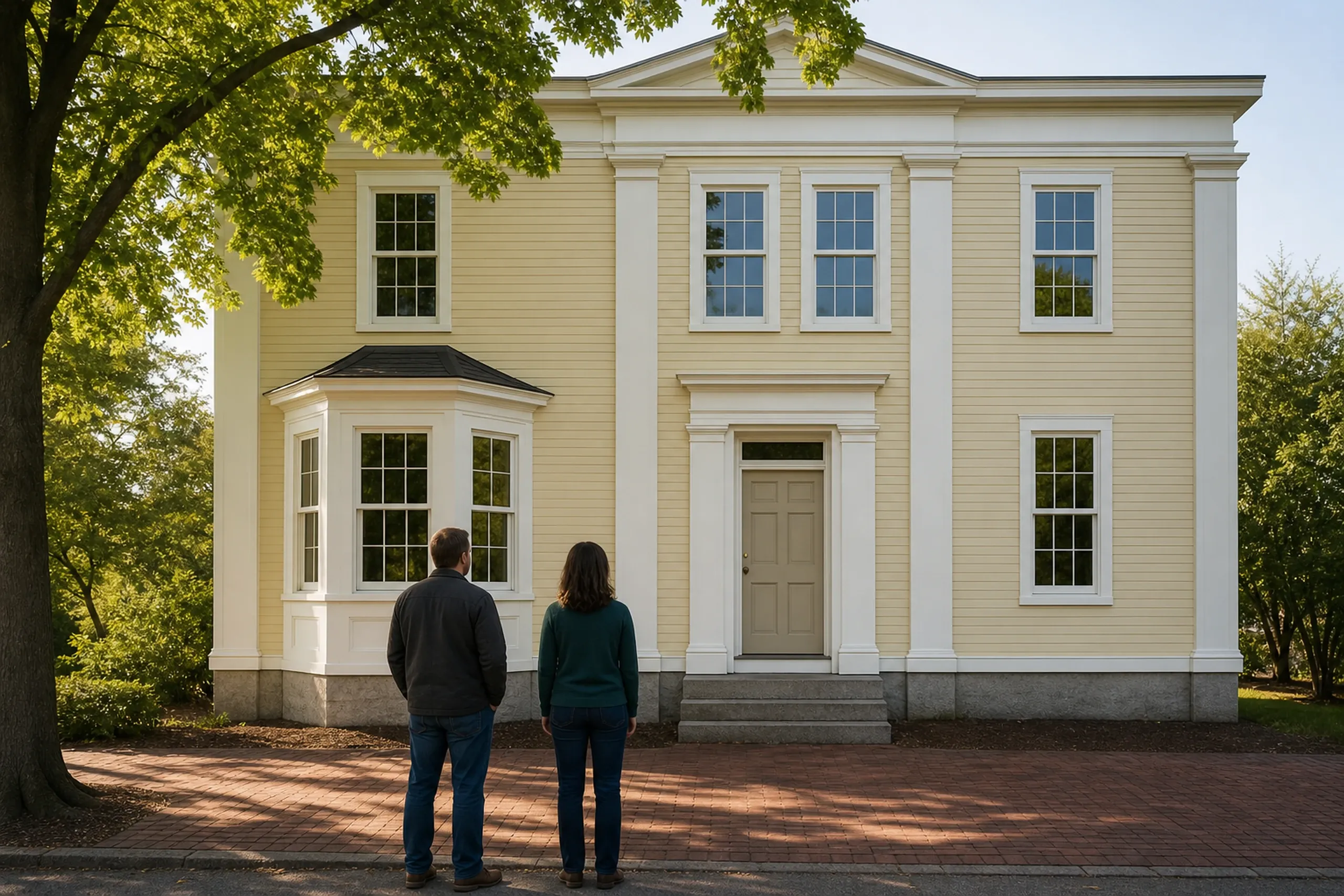
One window out, one window in, then a walkthrough.
No second opening is started until the first is closed: old sash and frame out, a sill pan and taped flashing wherever we go full-frame, the new wood-clad unit set level and air-sealed with low-expansion foam, then the stops and casing back on. We haul the old windows away, and we finish with you, walking the house room to room.
Is Wood Window Replacement Worth It on an Old House?
Wood window replacement is worth it on an old house when rot has gone past the paint into the bottom rails and sills of many windows, or when water has been finding its way into the wall below them. Then a wood-clad unit built to the old layout gives the house tight windows again and keeps the face it was built with.
It is not worth it when the sash test sound and the complaint is a draft or a sash that will not stay up (a broken sash cord or balance). A draft can be worn weatherstripping or air slipping around the frame, and new weatherstripping or an exterior storm keeps a sound window working, so we price only the windows that need to go.
Between the two sits the insert: a new wood-clad unit set inside an old frame that, by Andersen's rule, has no rot, stays square and keeps its size, so the casing and plaster inside stay put. This Old House notes that an insert gives up a little glass, and on a plain back ell vinyl window replacement may be the better buy.
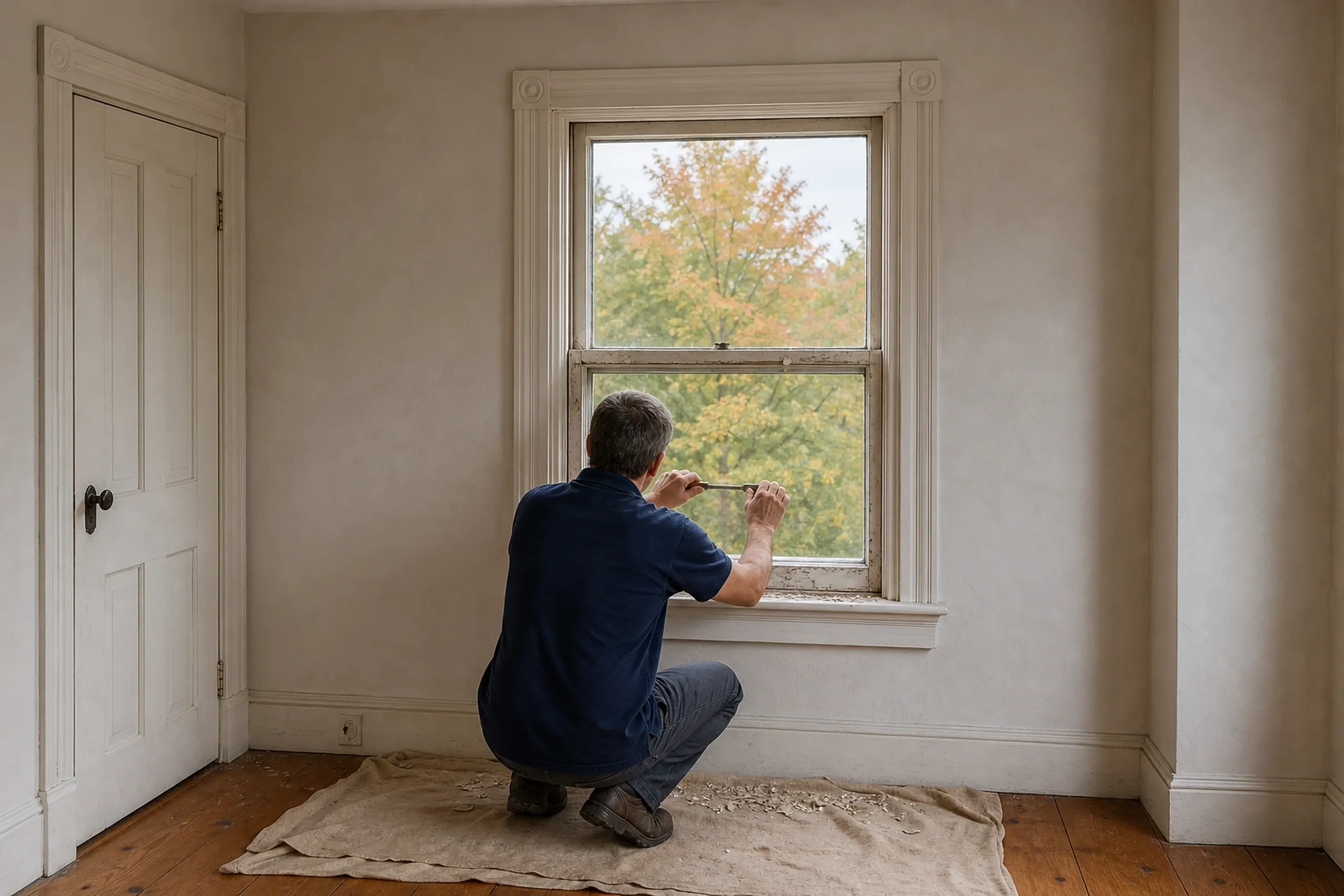
Who Replaces Wood Windows, Where First, and When?
Something else to ask? Call (207) 466-8544, any hour.
Who should replace wood windows instead of repairing them?
The owners who should replace wood windows instead of repairing them have sash and sills soft well past the paint, frames letting water in, or so many broken parts that a repair would mean rebuilding each window. Brief 9's own yardstick is how much of each window needs new parts.
Where on the house should new wood windows go first?
New wood windows should go first on the street face of an old house, where the old pane layout and narrow sash carry its character. The back and the sides can wait, or take a plainer unit, without changing how the house reads from the road.
When can wood windows be replaced?
Wood windows can be replaced in any season, as long as each opening is closed up again the same day. Look for the NFRC sticker on each new unit: in climate zone 6A, the 2021 code Maine enforces allows a U-factor of 0.30 at most, and a lower number keeps more heat in.
How Much Does Wood Window Replacement Cost?
Wood window replacement averages $5,000 to $15,000 when a job covers one to five windows, while six to ten windows run $12,000 to $30,000 and replacing every window in a house (15 to 25) runs $28,000 to $65,000. Those figures are averages pulled from many quotes across all three frame materials, and wood-clad, the costliest of the three, tends to sit higher in a band than vinyl.
| How many windows | Average range | Typical time on site |
|---|---|---|
| 1 to 5 | $5,000 to $15,000 | 1 to 3 days |
| 6 to 10 | $12,000 to $30,000 | 3 to 7 days |
| 15 to 25, the whole house | $28,000 to $65,000 | 1 to 3 weeks |
Installed work, figured as an average across many quotes and not as the price of any one house: the old sash and frames out, new units in, a pan and taped flashing wherever we open to the framing, casing and stops back on, and the debris hauled off. Rotten framing behind an old window gets a written line of its own. The Andersen, Marvin and Pella names are trademarks belonging to those companies, none of which has any connection to our business.
Why don't we price wood windows one at a time?
We don't price wood windows one at a time because the count is one driver among several: whether each opening is kept, fitted with an insert or opened full-frame moves a job as much as how many windows there are. That is also why the three bands overlap.
What pushes a wood window job up or down its band?
A wood window job moves up or down its band on the method for each opening first, then on the interior trim of an old plaster house, which takes skilled hands to remove and set back. Custom sizes, divided lites and lead-safe work on a house built before 1978 add to it as well.
When is wood-clad worth paying for over vinyl?
Wood-clad is worth paying for over vinyl on the street face of a historic house, where the slim sash and the true pane pattern are what people see. On a plain ell, a rental or a back wall where upkeep and cost come first, vinyl is the better buy.
Which of Your Old Wood Windows Should Stay?
Which of your old wood windows should stay is the first thing a free estimate request settles: we visit, test each sash and sill with an awl, and send a written price marked keep, insert or full-frame for every opening. The visit and the written price cost you nothing.